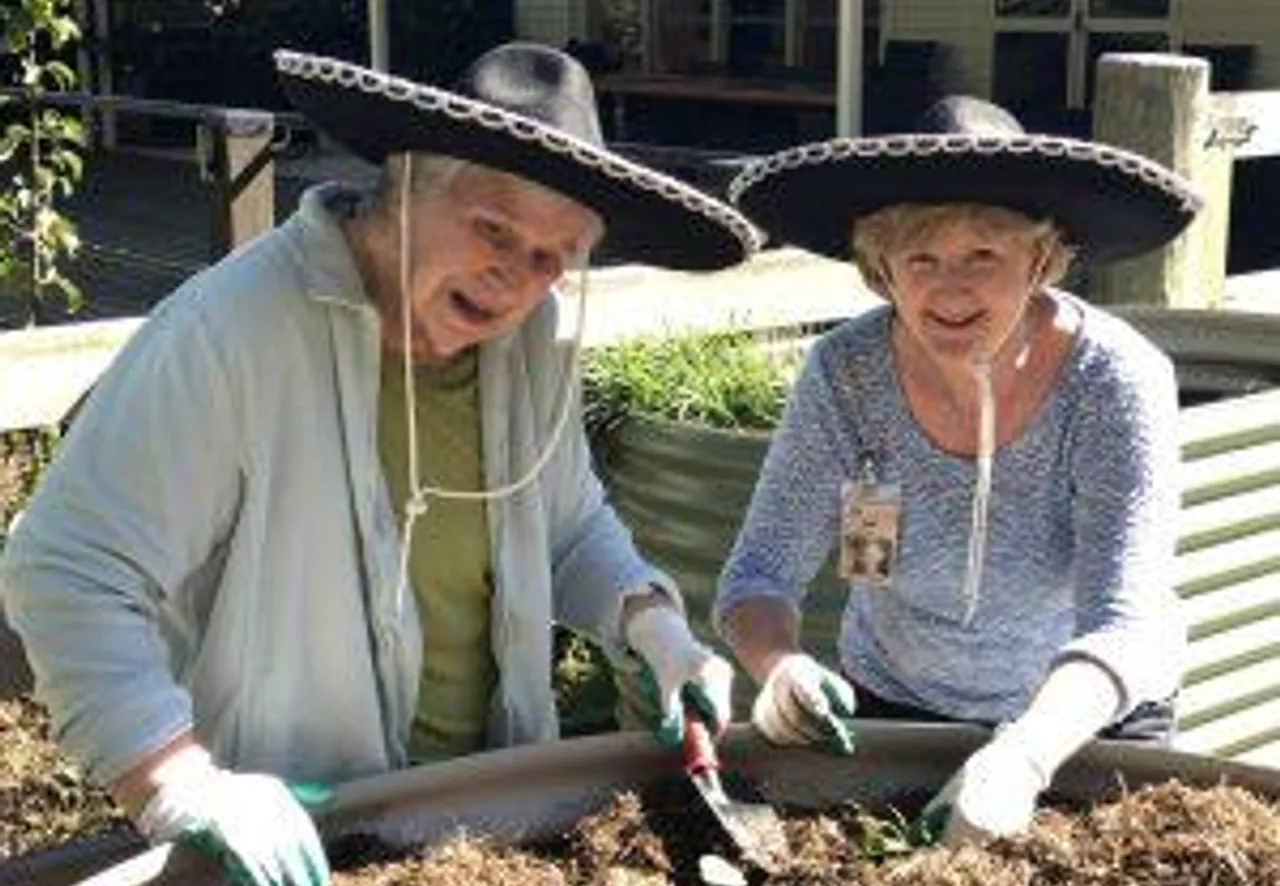
We all experience grief and loss at some stage in our lives. From the loss of someone we love or a change of life’s circumstances, for example the end of a relationship, loss of employment or moving into aged care and feeling the loss of how life was once lived. Working through grief takes time, but there are things that can be done to relieve the emotions and feel moments of peace during this time.
What is grief?
Beyond Blue explains; Grief is a natural response to loss. It might be the loss of a loved one, relationship, pregnancy, pet, job or way of life. Other experiences of loss may be due to children leaving home, infertility and separation from friends and family. The more significant the loss, the more intense the grief is likely to be. Grief is expressed in many ways and it can affect every part of your life; your emotions, thoughts and behaviour, beliefs, physical health, your sense of self and identity, and your relationships with others. Grief can leave you feeling sad, angry, anxious, shocked, regretful, relieved, overwhelmed, isolated, irritable or numb.
What you can do to help;
- Take care of your physical health. Grieving can be exhausting, so it’s important to eat a healthy diet, exercise and sleep.
- Manage stress – lighten your load by asking friends, family members or work colleagues to help you with some chores or commitments. Relaxation and gentle exercise can be helpful.
- Do things you enjoy, even if you don’t really feel like doing them.
How gardening can help to reduce the feelings of grief; A few of the benefits from gardening include improved physical health, emotional wellbeing and social interaction, which are all positive ways to work through the time of grief. “To plant a garden is to believe in tomorrow” Audrey Hepburn. Looking at the recommendations from Beyond Blue, here’s a few activities that you, your loved one or friend experiencing grief may consider trying…
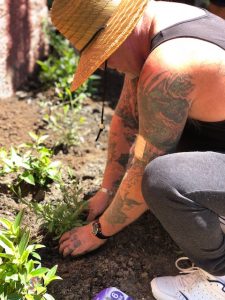
Physical health – get your body moving. From simple watering, raking or digging tasks you will be moving your body and experiencing a form of gentle exercise to improve cardiovascular system, get blood pumping through the body, using muscles and improving flexibility. This helps to reduce stress, anxiety, sadness and anger. Gardening is a worthwhile form of exercise with added benefits of connecting with nature.
Emotional wellbeing – reduce stress, sadness, anger, shock and other emotions by spending time in nature. We all have an inner connection to living things. This is called Biophilia and we need a regular connection with nature to keep our emotional wellbeing in balance. So to help reduce the emotions felt through grief it’s helpful to spend time within nature. This could be a walk in the garden, a park or through a forest. Getting your hands in the earth can also reduce sadness, anger and other emotions while lifting your spirit. Or spend a short time pulling weeds or watering the garden. Any activity that encourages mindfulness and being immersed in the present moment can improve wellness.
Social interaction – this may be difficult to do and may depend on the level of grief and the emotions being experienced but try to connect with family or friends during this time. If you’re involved in a gardening group or community garden, attending gatherings with like-minded people can help to improve wellbeing. Reducing social isolation at a time of grief can help to relieve the emotional effects of the loss, especially if it is due to a change in a lifestyle. When moving into aged care, or another dramatic change in lifestyle is causing feelings of grief, by forming connections with others who have a common interest, like gardening, the feeling of grief can be reduced just by spending time talking or doing activities that are enjoyed together.
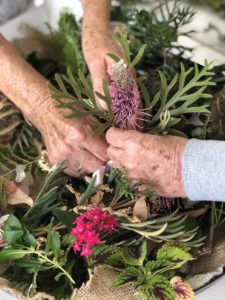
Try potting herbs or flowers, flower arranging or creating nature art. These activities can be completed as a group around a table or in the garden and enjoyed by all. Picking and smelling beautiful flowers has a sensory benefit which helps us to feel better in general. Nature assists to balance our mind, body and soul and a perfect way to enhance these is through the enjoyment of gardening and plants. Read more here… soiltosupper.com/gardening-improves-emotional-well-being/ and information on sensory plants soiltosupper.com/7-stunning-sensory-plants/ Here’s a list of gardening activities that provide therapeutic benefits – soiltosupper.com/top-5-therapeutic-gardening-activities-from-2018/ If you find the feelings of grief are overwhelming, please seek support through Beyond Blue or Lifeline (in Australia)
References: Beyond Blue. (2019). Grief and loss. Hawthorn Vic, Australia. Retrieved from https:// www.beyondblue.org.au/the-facts/grief-and-loss. Cath Manuel is a Horticultural Consultant specialising in Therapeutic and Kitchen Gardens. Cath is the Founder and Director of Soil to Supper which provides onsite services and also online programs through the Soil to Supper Community. She is the host of The Wellbeing Garden Podcast Program. Cath has many years’ experience in the horticulture industry and has a great passion for sharing her knowledge to inspire people of all ages and abilities to enjoy gardening activities and grow fresh food. She shares her knowledge through programs, consultations, events and various media publications. Cath holds a Diploma in Horticulture, Certificate in Permaculture Design and Horticultural Therapy. Find more on therapeutic gardening at www.soiltosupper.com


