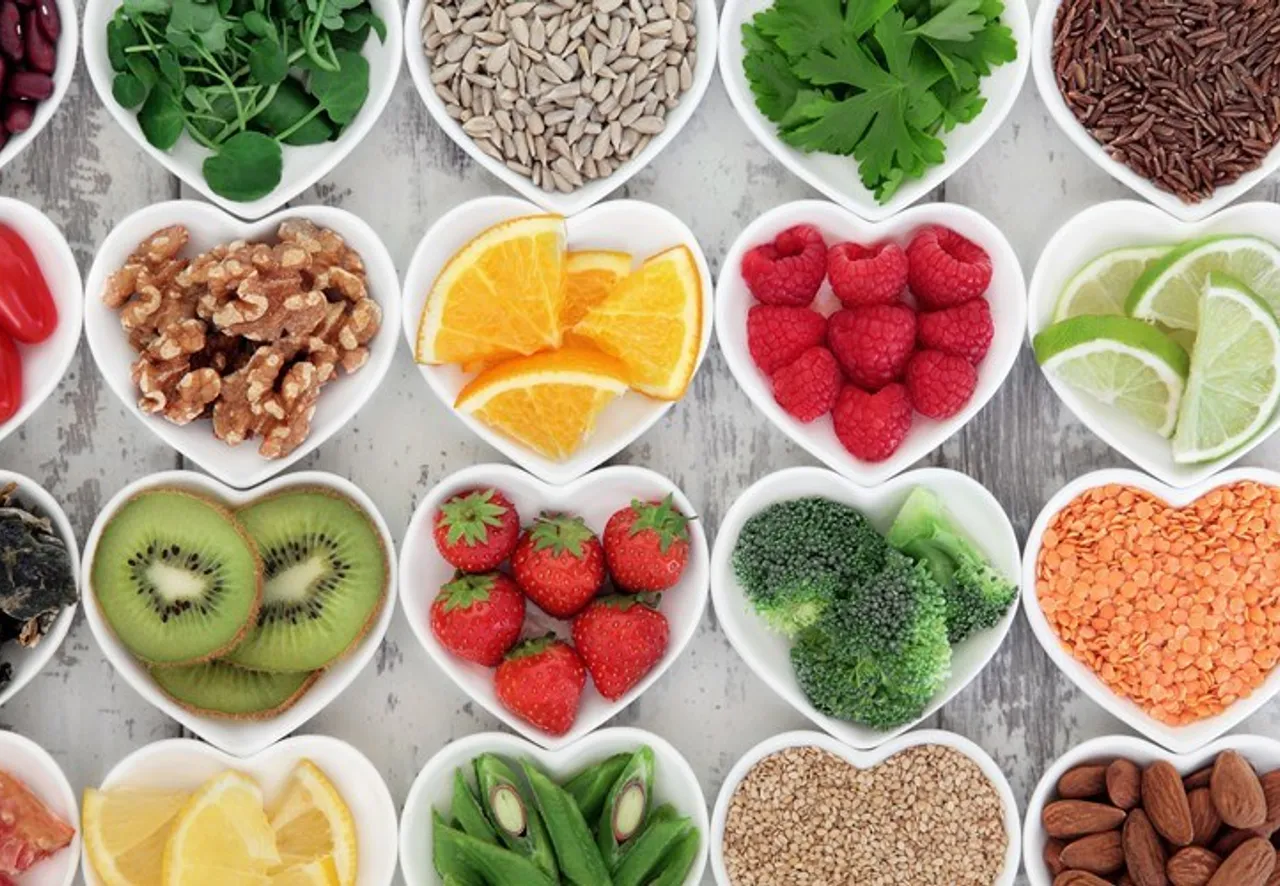
Can you name any foods that contain antioxidants?
If you said blueberries, green tea and chocolate you’re on the right track! But what are antioxidants and why are they good for us? To answer this question we need to take a quick course in basic chemistry. Atoms (and groups of atoms called molecules) are the building blocks of everything, including us. Every atom in our body is surrounded by layers (or shells) of electrons. Electrons like to be in pairs, so if the outer layer of an electron has an odd number (unpaired electron) then it will find another atom that has an unpaired electron to partner up with. Social little things aren’t they? Oxygen has the chemical sign of O2, this means there are two atoms joined together to make one oxygen molecule (in fact the reason they stick together is because individually they contain an unpaired electron).
When the oxygen molecules in our body split this leaves each atom with an unpaired electron which causes them to become unstable. This is what we call a free radical. Once free it will seek out another atom to pair with and if this happens continually this causes oxidative stress which can result in cellular damage. What causes free radicals? Free radicals are a waste product of our normal metabolism so there is no way that you can avoid them. We can also be exposed to them through other means such as pollution and smoking. The good news is there are things we can do to prevent them building up and causing oxidative damage. Antioxidants are another group of atoms that can donate an electron to a free radical which neutralises it. Oxidative stress occurs when there aren’t enough antioxidants to neutralise the free radicals.
Our bodies can make some antioxidants naturally but not enough to keep up with the production of free radicals. This is why it is important for us to consume foods that contain antioxidants. Although we have already mentioned blueberries, green tea and chocolate there are wide range of foods that contain vitamins, minerals and polyphenols that act as antioxidants. The vitamins that contribute antioxidants are A, C and E. Vitamin C is abundant in fruit and vegetables, particularly citrus. Our bodies can’t make Vit C by itself so it’s important to make sure we are including fruit and veg in our diet. You can find Vit A in dairy products, eggs and fish as well as fruit and veg such as sweet potato, carrots and rockmelon. Vit E is abundant in nuts, seeds and vegetable oils. Wheatgerm oil is one of the richest sources but it is also found in sunflower seeds, peanuts and peanut butter as well as fresh fruit and veg including spinach, broccoli and kiwi. The minerals that contribute antioxidants include selenium, iron, copper, zinc and manganese.
These are found in varying quantities across the five food groups: meat/fish/poultry and meat alternatives such as legumes and pulses, grains and cereals, dairy and of course fruit and vegetables. Finally, polyphenols are also antioxidants found in cocoa, tea and many fruits and vegetables. You might have noticed that up until this point I haven’t mentioned the word ‘superfood’. This is a marketing term that gets used a lot to describe foods that are rich in particular nutrients but there is no clear consensus about what this term really means. Hopefully you can see that antioxidants are abundant in our food and if we eat a wide range of foods from the five food groups, then we are giving our bodies all the vitamins, minerals (and antioxidants) that it needs.
Written by Morgan Pankhurst, Accredited Practicing Dietitian.
Morgan is a PhD candidate with the Department of Nutrition and Dietetics at Flinders University and an Accredited Practising Dietitian. Her PhD project is focussed on food service satisfaction in Aged Care Homes and she is passionate about improving the quality of care for our Elders. Earlier this year Morgan began working with the Maggie Beer Foundation to support their 'Create an Appetite for Life' workshops which aim to upskill cooks and chefs working in aged care.


